
Choosing a care home is an important decision, and visiting a home can help you understand whether it feels right for your loved one. When you visit a care home in Uxbridge, it is helpful to ask about the care provided, daily routines, staff, accommodation, activities, meals, visiting arrangements and how families are involved. You do not need to know all the right questions before you arrive. A good care team should be willing to explain things clearly and give you time to consider your options.
What should I look for when visiting a care home?
Your first impression can tell you something about the atmosphere of a care home, but it should not be the only thing you consider. Look at how staff speak to residents and whether people are treated with dignity and respect.


Notice whether residents appear comfortable and whether they are able to make choices about their day. You may also want to consider whether the environment feels calm and welcoming and whether there are opportunities for people to spend time together or enjoy privacy. It can also be useful to ask whether you can see different areas of the home, including bedrooms, communal spaces, dining areas and outdoor areas. Most importantly, think about whether the home seems able to support your loved one's individual needs, preferences and routines.
Questions about care and individual needs
Every person has different care needs. Some people may need support with everyday activities, while others may require nursing care or support with more complex health needs. Ask how the home assesses a person's needs before they move in and how this information is used to create their care plan.
Useful questions include:
How will you get to know my loved one's needs and preferences?
A person-centred approach means looking beyond someone's care needs. Staff should take time to understand their interests, routines, relationships, preferences and what matters to them.
How often is the care plan reviewed?
Care needs can change over time. Ask how the home monitors changes and how relatives are involved when a care plan needs to be updated.
Can the home support changing care needs?
If your loved one's needs increase, it is worth understanding what additional support may be available and when a new assessment might be needed.
How do you support independence?
Care should not mean taking away choices. Ask how residents are encouraged to remain involved in everyday decisions and continue doing things for themselves where possible.
How are staff recruited and trained?
The care team has an important role in creating a safe and supportive environment. Ask about staffing arrangements and the training staff receive. You could ask how many staff are usually available during the day and at night and whether registered nurses are present where nursing care is provided. It is also worth asking about training in areas that may be relevant to your loved one. This could include dementia care, moving and handling, medication support or caring for people with complex health needs. You may also want to ask whether your loved one will have regular members of the care team supporting them. Familiar faces can help people feel more comfortable, particularly when they are adjusting to a new environment.
How are meals and dietary needs managed?
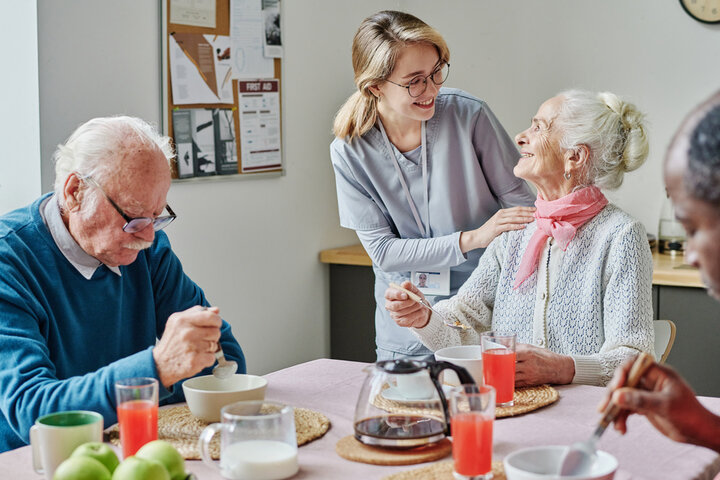
Food can be an important part of everyday life in a care home. Ask how menus are planned and whether residents can have a say in what is served. If your loved one has allergies, swallowing difficulties, diabetes or other dietary requirements, ask how these needs are assessed and supported. You can also ask whether family members can join residents for meals on occasion and how the home supports people who need additional help with eating or drinking. The aim should be to support nutrition while also making mealtimes enjoyable and respectful.

What activities are available?
Activities can help people maintain interests, relationships and a sense of purpose. Rather than simply asking whether the home has an activities programme, ask what residents actually enjoy doing and how activities are adapted to individual interests and abilities. Some people may enjoy arts and crafts, music, gardening or exercise. Others may prefer reading, watching films, spending time with a small group or simply having a conversation with a member of staff. For someone living with dementia, ask how activities are adapted to support familiarity, confidence and personal identity. It is also useful to ask whether residents can continue hobbies they enjoyed before moving into the home.
How does the home support family involvement?
Moving a loved one into a care home can be an emotional experience for the whole family. Families should have opportunities to remain involved in their relative's life and care. Ask about visiting arrangements and whether there are spaces where you can spend time together privately.
You could also ask:
How will you keep us updated about our loved one's wellbeing?
Find out who you should contact if you have questions or concerns.
Can we be involved in care planning?
Families often have valuable knowledge about a person's history, preferences and routines. This information can help staff provide personalised support.
How are concerns handled?
Ask who to speak to if something is worrying you and how concerns are recorded and followed up.
Good communication can provide reassurance for relatives while helping the care team understand what matters to the person they are supporting.
What happens if my loved one becomes unwell?
If your loved one has ongoing health needs, ask how the home responds when their condition changes. Find out what medical and nursing support is available and how the home works with external healthcare professionals when additional support is needed. You can also ask what happens if your loved one needs hospital treatment and how the care team communicates with relatives during this time. If someone may eventually need palliative or end-of-life care, it can be helpful to discuss this sensitively before it becomes an immediate concern. Ask how the home supports comfort, dignity and family involvement.
What are the costs of care?
Understanding the financial arrangements before making a decision can prevent confusion later. Ask what is included in the weekly care fees and whether there are additional charges for particular services or personal items. You may also want to ask how fees are reviewed and what happens if your loved one's care needs change. If funding is being arranged through a local authority, the NHS or privately, make sure you understand what the relevant assessment or funding process involves. You can ask the care home what information they need from you.
Can I visit more than once?
A single visit can give you useful information, but you may still have questions afterwards. If possible, ask whether you can return for another visit. A second visit can give you an opportunity to look at the home again, speak with staff and consider how your loved one might feel there. You may also want to visit at a different time of day. The atmosphere can vary between morning, afternoon and evening.
Trust your observations as well as the answers
Questions are important, but so is observing how people interact. Do staff listen to residents? Are people addressed by their names? Do residents have opportunities to make choices? Does the atmosphere feel respectful and calm? Consider whether the home seems to understand residents as individuals rather than simply focusing on their care needs. It is also worth asking yourself whether you can imagine your loved one feeling comfortable, respected and included there.
Choosing a care home in Uxbridge
Finding the right care home is rarely about one feature. It is about looking at the whole picture, from the standard of care and approach of the staff to everyday routines, relationships and communication with families. When visiting a care home in Uxbridge, take your time, ask questions and make notes if that helps you compare different options. You can also ask the care team to explain anything you are unsure about.
At Parkfield House, families are welcome to discuss their loved one's individual circumstances, care needs and preferences with the team. If you would like to learn more about care at Parkfield House, our team would be happy to speak with you.
Frequently asked questions
How many care homes should I visit before making a decision?
There is no set number. Visiting several homes can help you understand the different options available and decide which environment feels most appropriate for your loved one. If you have a clear preference after one visit, you may still wish to arrange a second visit before making a final decision.
What should I take with me when visiting a care home?
It can help to take a list of your loved one's care needs, medications, preferences and daily routines. You may also want to bring a list of questions and make notes during or immediately after the visit.
Should my loved one come with me when viewing a care home?
If they are able and comfortable doing so, involving your loved one can be valuable. Their views and preferences should form an important part of the decision. If this is not possible, share as much information as you can about what matters to them.
What should I ask about dementia care?
Ask how staff support people living with dementia, how familiar routines are maintained and how care plans reflect the person's history, interests and preferences. You can also ask how staff respond when someone becomes distressed or needs additional reassurance.
What is the most important question to ask a care home?
There is no single question that suits every family. A useful starting point is: “How will you get to know my loved one as a person and support what matters to them?” The answer can tell you a great deal about the home's approach to person-centred care.
Learn More About Care at Parkfield House
If you would like to learn more about care at Parkfield House Care Home, our experienced team would be happy to talk through your loved one's needs, answer your questions and explain what you can expect from life at the home.