
When someone you love needs a little extra support, or when family carers need time to rest and recharge, respite care can provide reassurance for everyone involved.
But if you have never arranged respite care before, it is completely normal to have questions. What actually happens during a short stay? Will your loved one feel comfortable? Will they have company, good food and proper support?
For many families, the unknown can feel overwhelming. Research from Carers UK found that 65% of unpaid carers feel overwhelmed because they have not been able to take a break from their caring role.
The good news is that respite care is designed to make life easier, not harder. It offers a safe, supportive and welcoming environment where older people can receive the care they need while still enjoying daily life.
This guide explains exactly what is usually included in respite care, from meals and personal support to activities and social life, so you can feel more confident about what to expect.
What Is Respite Care?
Respite care is a short-term stay in a care home that gives temporary support to older people and their families.
Some people use respite care after a hospital stay while they recover and regain confidence. Others use it to give family carers a well-earned break from daily caring responsibilities. It can also be helpful during emergencies, holidays, home renovations or periods when extra support is needed. Or even to be used as a trial period for looking at permanent care.
Stays can range from a few weeks to a few months, depending on individual circumstances and availability within the home. Importantly, respite care is not just about practical care. It is about creating comfort, routine, companionship and peace of mind for both residents and families.
Meals Included In Respite Care
Food plays a huge part in everyday wellbeing, especially for older people. Most respite care stays include all meals, snacks and drinks throughout the day. Good care homes understand that mealtimes are about far more than nutrition alone.
Residents are usually offered freshly prepared breakfasts, lunches and evening meals, along with snacks, drinks and homemade treats throughout the day. Many homes cater for allergies, medical diets and personal preferences, helping residents continue enjoying the foods they know and love.
For some older people, cooking at home can become tiring or difficult. Others may lose confidence preparing meals safely after illness or mobility changes. In respite care, those daily worries are removed.


Mealtimes also become social occasions. Rather than eating alone, residents can sit with others, enjoy conversation and look forward to shared routines throughout the day.
Families are often surprised by how quickly loved ones settle into this part of care home life.
What Support Is Included In Respite Care?
One of the most important parts of respite care is personalised support.
Every resident has different needs, which is why care homes will carry out an assessment before the stay begins. This helps staff understand routines, preferences, mobility levels, medication requirements and any additional support needed.
Some residents may only need light reassurance and companionship, while others may need more hands-on support following illness or injury. Staff can assist with personal care such as washing, dressing and daily routines while encouraging independence wherever possible.
Medication support is also commonly included, helping residents stay on track with prescriptions safely and consistently - again this will be covered and gone through in the assessment.
For those with reduced mobility, staff are available to help residents move around safely and comfortably. Many homes also provide overnight support, giving families peace of mind that someone is always there if help is needed.
The emotional side of support matters just as much too. Moving into a care home, even for a short stay, can feel daunting at first. Experienced care teams understand this and work hard to help residents feel settled, included and comfortable from the moment they arrive.
For family carers, this support can be life changing as caring for someone full time can be physically exhausting and emotionally draining, especially without regular breaks. Respite care allows carers to rest while knowing their loved one is safe and well looked after.
Activities Included In Respite Care
A common misconception about care homes is that residents spend most of the day sitting quietly with little to do in lounges. In reality, activities are often a huge part of daily life during respite care stays.
The best care homes focus on helping residents stay active, social and connected to the things they enjoy. Activities are designed to support mental wellbeing, confidence and companionship while bringing structure and enjoyment to the day.
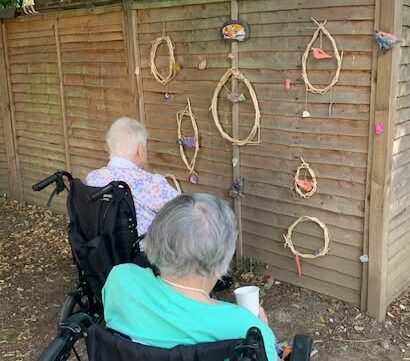
Depending on the home, residents may enjoy baking sessions, gardening, arts and crafts, quizzes, live entertainment, exercise groups or seasonal celebrations. Some homes also arrange visits from local performers or community groups to keep residents connected with the outside world.
The most important thing is that activities feel meaningful rather than forced. Good care teams take time to learn about residents’ hobbies, personalities and interests so they can encourage them to continue doing things they genuinely enjoy.
For someone who once loved gardening, spending time outdoors again can rebuild confidence. For another resident, joining a baking club may bring back happy memories of cooking for family.
Even simple moments like chatting over tea, helping decorate for an event or listening to music together can make a huge difference to someone’s wellbeing.
Social Interaction & Companionship
One part of respite care families often underestimate is the social side of daily life.
Loneliness and isolation can affect many older people, especially after illness, bereavement or reduced mobility. Spending time around others in a welcoming environment can have a hugely positive effect on confidence and mood.

During respite stays, residents often form friendships with staff and fellow residents surprisingly quickly. Shared meals, activities and everyday conversation help create a sense of belonging.
Even for quieter residents, simply being around friendly faces throughout the day can make life feel brighter and more connected.
Comfortable Accommodation
Respite care usually includes a fully furnished bedroom along with access to lounges, dining areas and garden spaces.
Many homes encourage residents to bring personal belongings such as photographs, blankets or favourite books to help make the room feel more familiar and comforting.
The aim is to create an environment that feels warm, welcoming and homely rather than clinical or unfamiliar.
Why Families Choose Respite Care
Every family’s situation is different, but respite care often becomes valuable during times when extra support is needed most.
Some families use respite care while recovering from hospital treatment. Others need temporary support while a family carer rests or attends to their own health and wellbeing.
For many people, respite care becomes more than just practical support. It becomes an opportunity to regain confidence, enjoy companionship and rebuild routine in a supportive environment.
It can also help families feel reassured about future care decisions by giving them the chance to experience care home life in a gentle and supportive way.
Final Thoughts
Respite care is about much more than temporary accommodation. It provides meals, personal support, companionship, activities and reassurance in a safe and welcoming setting. Most importantly, it gives families peace of mind knowing their loved one is being cared for with kindness and dignity.
The right respite care experience should help them feel comfortable, included and supported every step of the way. For families exploring care options, understanding what is included can make the decision feel far less daunting and far more reassuring.
Need support now? Explore respite care options at Parkfied Care Home to arrange flexible short-term stays today.