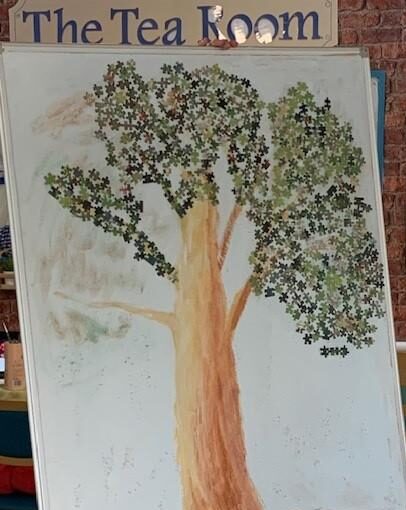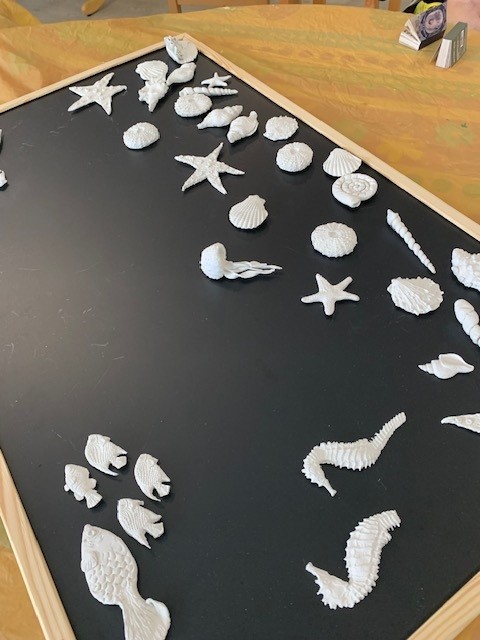
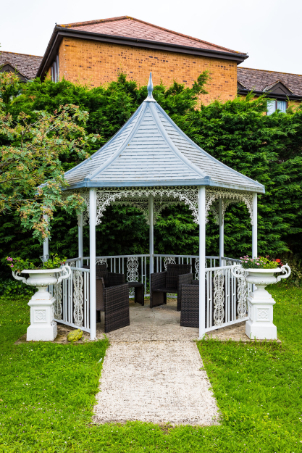
Private gardens elevate care home living beyond clinical care, offering residents a personal sanctuary that nurtures body, mind and spirit. At Parkfield House Nursing Home, thoughtfully designed gardens provide fresh air, natural beauty and purposeful activities, addressing common family concerns about isolation or limited outdoor access. This blog examines the profound benefits these spaces bring, from physical health gains to emotional rejuvenation, including al fresco dining and essential accessibility features. Families searching for "care home gardens near me" discover how such environments foster independence and joy, turning everyday moments into cherished experiences amid secure, serene surroundings.
Private gardens deliver multifaceted benefits tailored to care home residents, promoting physical vitality through gentle movement along winding paths or raised beds that encourage stretching without strain. Sunlight exposure boosts vitamin D levels, strengthening bones and immunity, while fresh air improves sleep and appetite, countering sedentary indoor routines. Mentally, these oases reduce anxiety and depression, with nature immersion lowering cortisol and elevating mood via serene vistas and birdsong. Socially, gardens spark connections as residents gather for chats or group tending, combating loneliness prevalent among older adults. At Parkfield House, these spaces cultivate community, where shared harvests or seasonal blooms foster belonging and purpose. Emotionally, they restore autonomy, allowing choices in planting or seating, vital for dignity in later life. Unlike public parks, private gardens offer privacy and safety, customised for varying abilities, proving essential for holistic wellbeing in nursing homes.
Sensory Elements & Local Wildlife Connections
Sensory gardens at Parkfield House captivate through touch, sight, smell and sound, profoundly benefiting residents especially those living with dementia. Fragrant lavender beds, flat paths and textured bark invite exploration, stimulating memories when verbal recall fades. Vibrant flower colours and rustling leaves provide visual and auditory cues, calming agitation and enhancing orientation in a safe space.


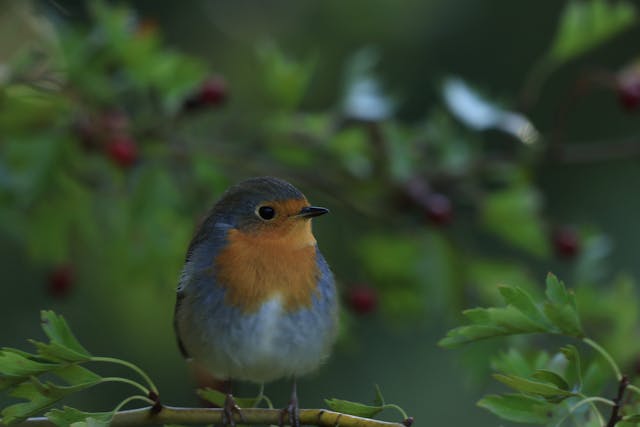
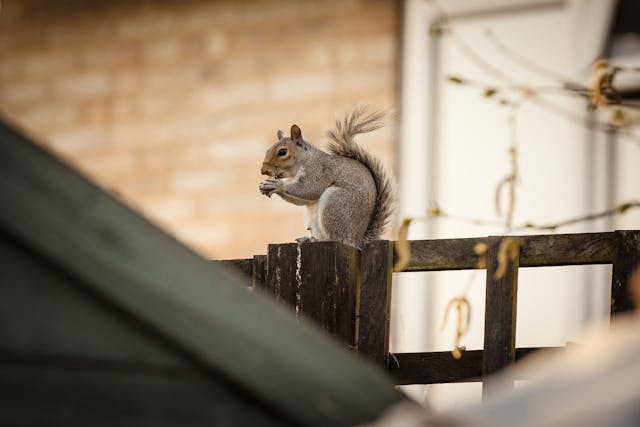
Throughout the seasons, hearing and seeing local wildlife adds magical layers to these experiences. Bird feeders attract robins and finches, their cheerful songs and flutters sparking delight and conversation as residents watch from benches. Bee hotels buzz gently nearby, while ponds draw dragonflies, offering peaceful observation that reconnects people with nature's rhythms. These encounters reduce stress, lower blood pressure and evoke childhood countryside joys, crucial for emotional grounding.
For dementia care, sensory elements anchor reality. Familiar scents like rosemary trigger positive associations, while wind chimes create soothing soundscapes easing anxiety. Staff guide gentle interactions, like feeding seeds to birds, fostering achievement and social bonds. Wildlife sightings prompt storytelling, strengthening group ties and preserving identity amid memory loss. Parkfield House designs these features deliberately, ensuring gardens serve as therapeutic havens where nature heals quietly and profoundly.
Enhancing Everyday Life & Exploring Alfresco Style Dining
Al fresco dining transforms mealtimes into joyful rituals, leveraging gardens for relaxed, appetite stimulating experiences that elevate everyday nutrition into something truly special. At Parkfield House Nursing Home, shaded patios with sturdy tables and comfortable chairs host lunches under blue skies during the warmer months, where gentle breezes carry floral aromas from nearby borders, naturally encouraging fuller plates and lively conversation among residents. The simple shift outdoors changes the atmosphere entirely, turning what might feel routine indoors into a sensory celebration that reignites interest in food.
Communal setups on these patios promote social eating, where shared tables spark stories over soup or sandwiches, reducing isolation and fostering friendships that extend beyond mealtimes. Laughter comes easier amid birdsong and rustling leaves, creating a gentle backdrop that eases anxiety and lifts spirits.
Families cherish joining barbecues with grilled sausages and salads or elegant afternoon teas with scones and jam, strengthening bonds in nature's calming embrace. Grandchildren play nearby on safe lawns while adults reconnect, bridging generations in ways indoor dining rarely achieves. Staff personalise these gatherings around resident's care plans, accommodating dietary needs or mobility aids seamlessly, ensuring everyone participates with dignity.
Such moments affirm life's simple pleasures, boosting morale through achievement in finishing a meal or savouring a dessert outdoors. They create lasting memories, from photographs capturing smiles to tales retold for weeks, all within the garden's safe, private confines. For those with dementia, familiar outdoor cues like sunshine on faces anchor reality, while the low stress setting minimises confusion. Regular al fresco meals at Parkfield House not only nourish bodies but also souls, proving gardens serve as extensions of the heart, where food becomes a bridge to joy, connection and renewed vitality in later life.
The Critical Importance Of Accessibility In Care Home Gardens
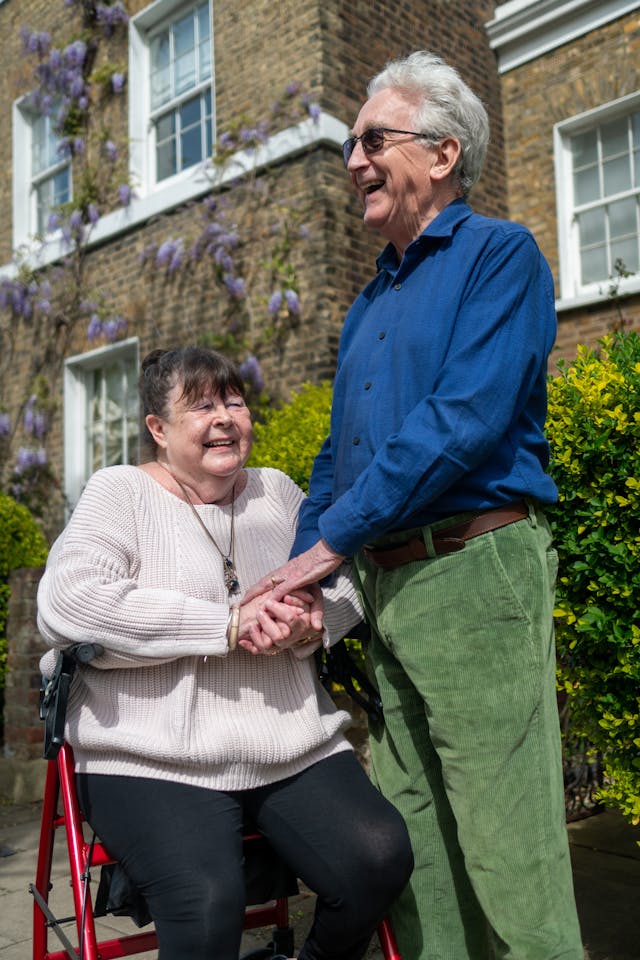
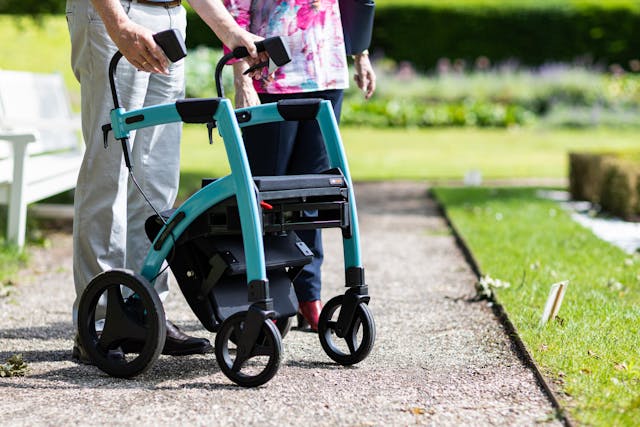
Accessibility ensures every resident enjoys garden benefits, with Parkfield House exemplifying level paths, wide gates and handrails that accommodate wheelchairs, frames or unsteady steps. Raised planters eliminate bending, enabling arthritic hands to plant herbs or flowers effortlessly. Non slip surfaces and ample benches prevent fatigue, while sensory elements like fragrant lavender or textured bark suit visual or mobility impairments. Dementia friendly designs feature clear sightlines, colour contrasted edges and familiar plants evoking nostalgia, minimising confusion. Lighting extends evening use safely, and secure fencing provides peace of mind. These adaptations democratise nature, preventing exclusion and empowering independence. Without them, gardens risk becoming ornamental rather than therapeutic, underscoring their necessity for inclusive care.
Parkfield House Gardens: A Haven For Residents
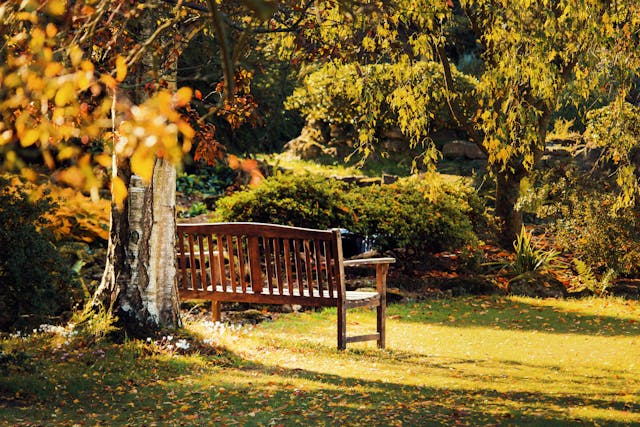
Parkfield House gardens blend beauty and function, with lush lawns, vibrant borders and tranquil water features inviting relaxation or gentle exploration. Residents pot herbs, watch butterflies or simply bask, rekindling hobbies in a supportive setting. Seasonal changes prompt reflection, from spring bulbs to autumn foliage, mirroring life's cycles. Staff facilitate outings like birdwatching or yoga, while pet visits add delight. Dining al fresco on patios with parasols creates festive atmospheres for birthdays or holidays. Fully accessible, these spaces integrate seamlessly into daily care, enhancing outcomes for nursing, dementia and residential needs. Families praise the calming influence, noting brighter moods and stronger family ties.

Private gardens at Parkfield House Nursing Home prove indispensable, weaving physical, mental and social benefits into residents' lives through accessible design, therapeutic sensory elements, wildlife connections and al fresco joys. They transform care from routine to enriching, fostering independence and connection. Searching for a garden centred home? Arrange a visit to experience Parkfield's serene spaces firsthand and discuss how they suit your loved one. Contact us today.